Digital programme
Tue 30 Dec / Wed 31 Dec New Year's Eve Concert
8 p.m. / 4 p.m. Konzerthaus Berlin
Sergej Newski
“Goddess of History” for mezzo-soprano and orchestra, text by Thomas Venclova ”The Azov Campaign”
(2024, Auftragswerk des RSB, Deutsche Erstaufführung)
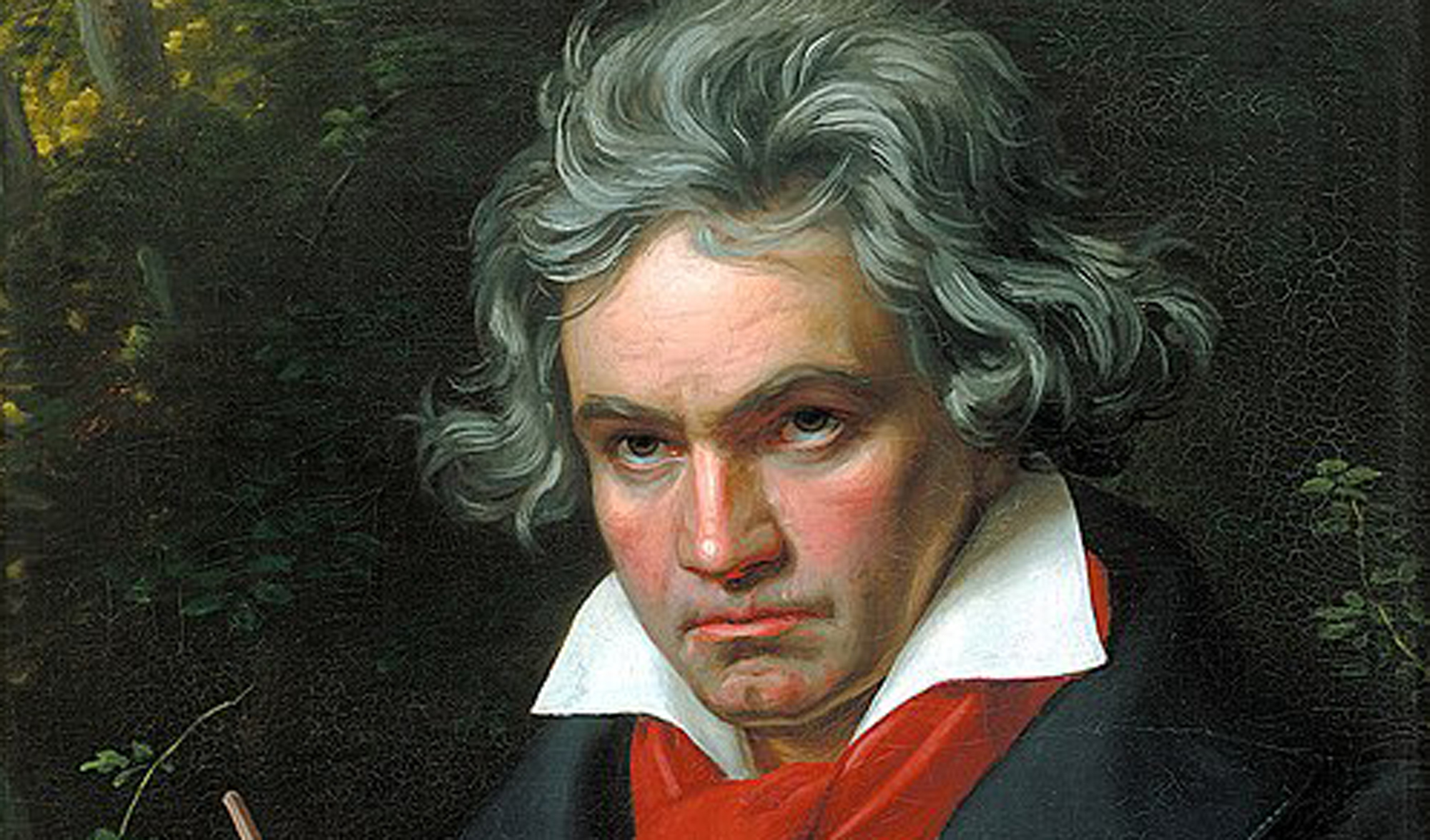
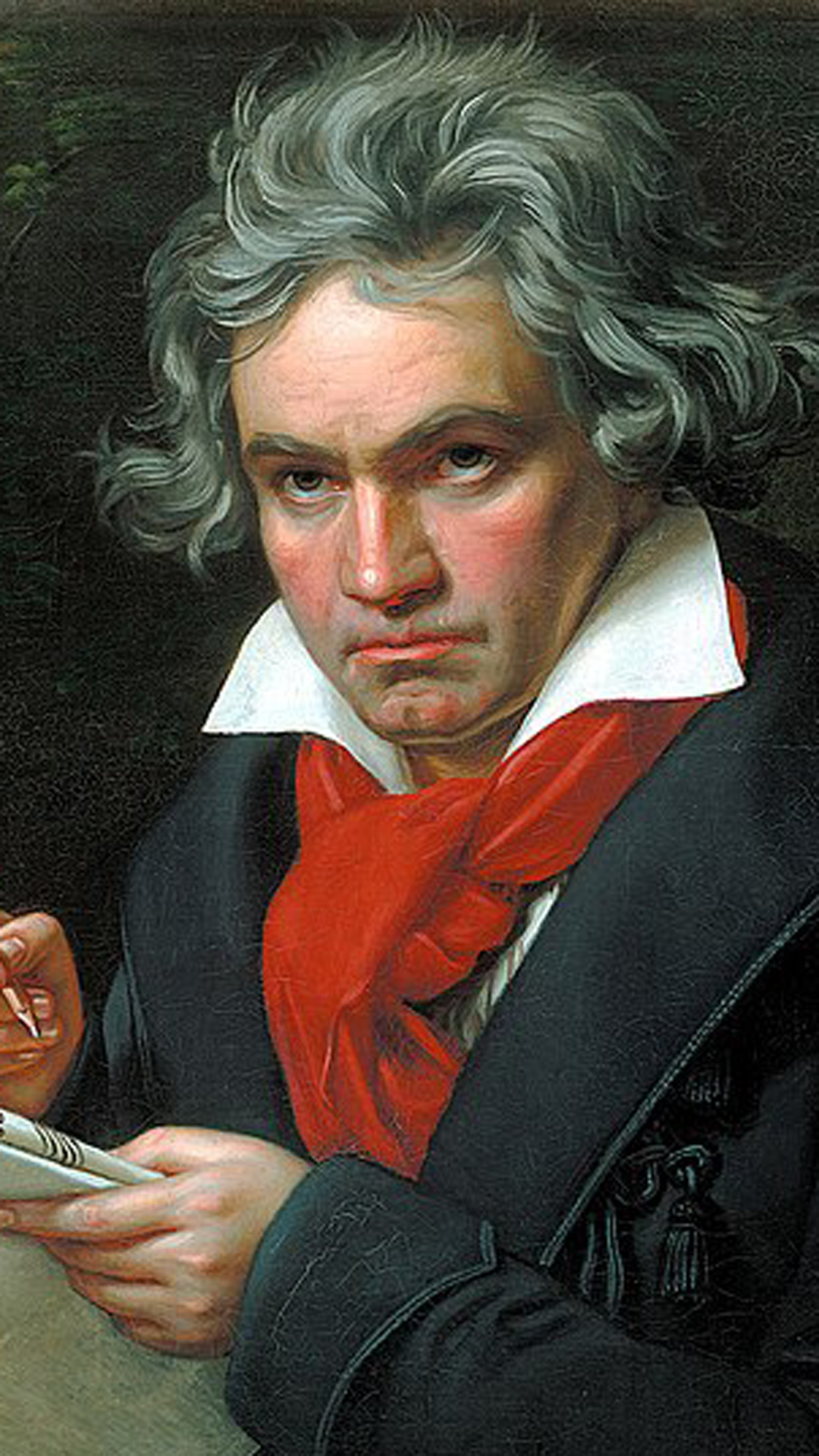
Ludwig van Beethoven
Symphony No. 9 in D minor, op. 125 with final choral of Schiller’s “Ode to Joy”
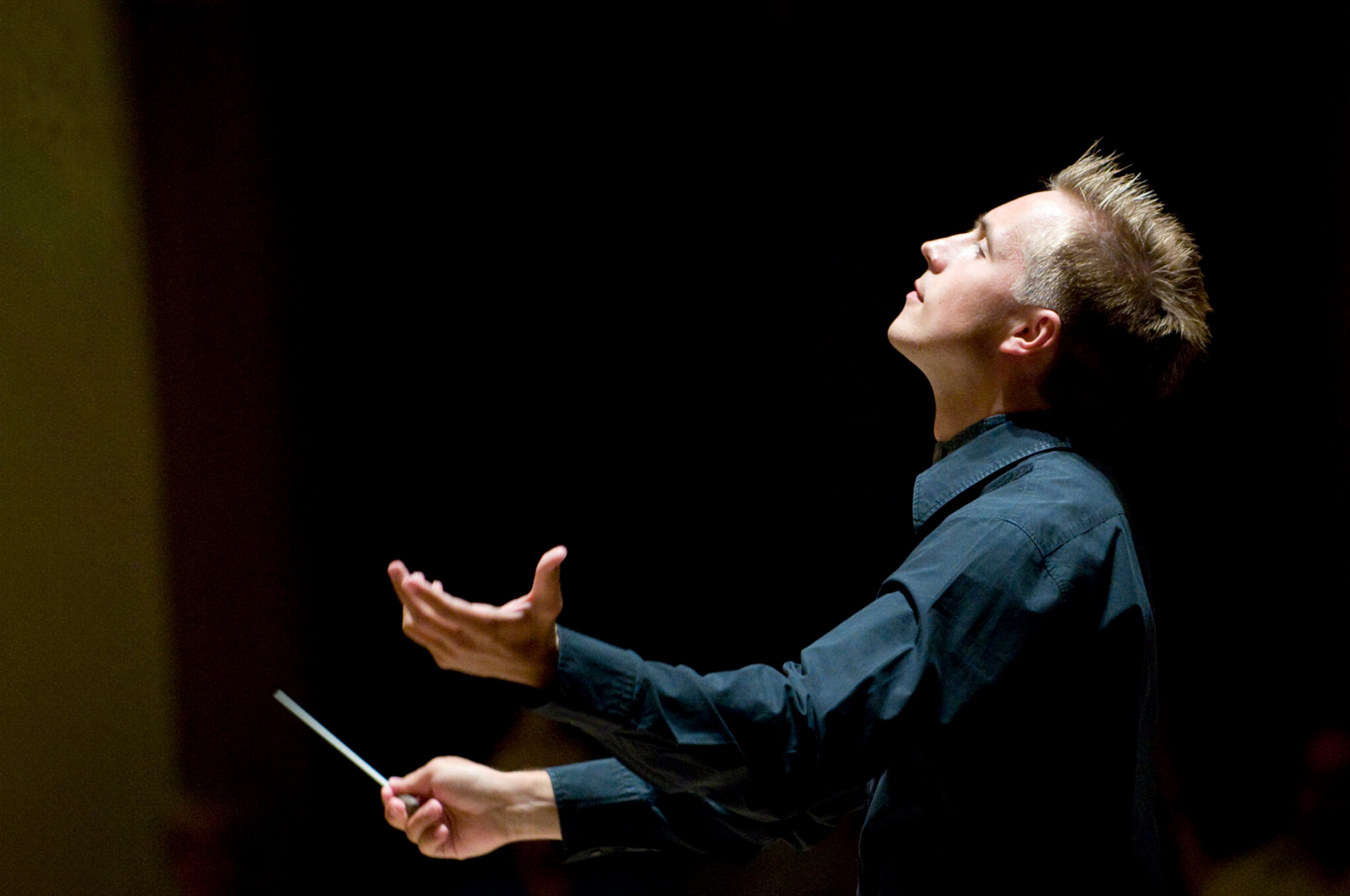
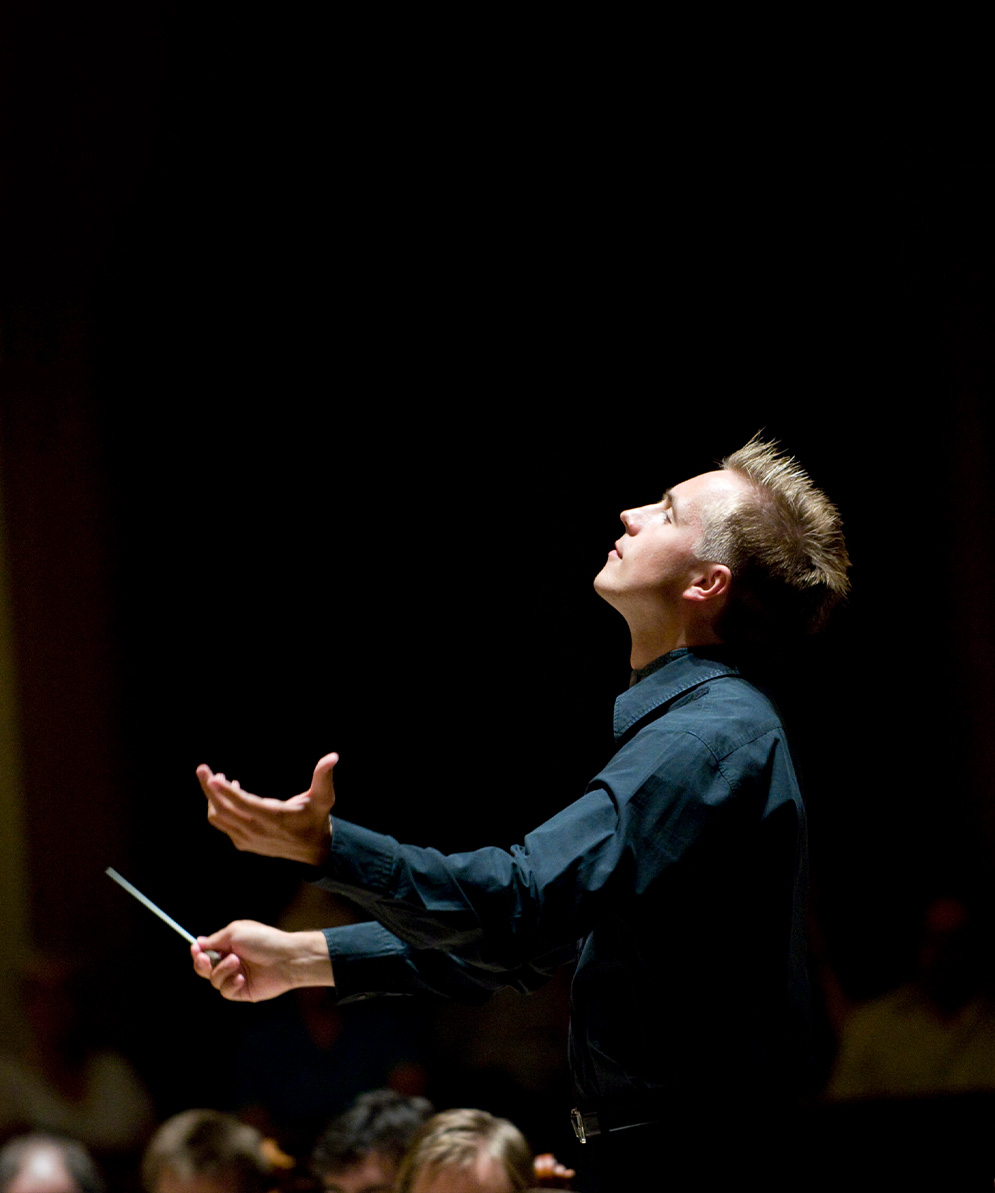
Vasily Petrenko, Conductor
Vera-Lotte Boecker, Soprano
Christina Daletska, Mezzo / Alto
Benjamin Bruns, Tenor
Jordan Shanahan, Basso
Rundfunkchor Berlin
Nico Köhs Chorus Master
Rundfunk-Sinfonieorchester Berlin
Ralf Sochaczewsky, Assistant to the conductor
Concert with Deutschlandfunk Kultur. Broadcast on 31 December 2025, 8:07 p.m.
There will be no introduction to the concert.
The concert will take place without an intermission.
Vasily Petrenko takes over from Vladimir Jurowski
It is with great regret that we must announce that Chief Conductor Vladimir Jurowski has had to cancel his appearances at the two New Year’s Eve concerts on 30 and 31 December for medical reasons. We wish him a rapid recovery and all the best.
At the same time, we are delighted that Vasily Petrenko has agreed to take over the baton for both concerts. Petrenko has been Music Director of the Royal Philharmonic Orchestra in London since 2021/22 and is very familiar with the orchestra as a regular guest conductor of the RSB.
We are particularly pleased that, in addition to Beethoven’s Symphony No. 9, he will also conduct Sergei Nevsky’s commissioned work ‘Goddess of History’, initiated by Vladimir Jurowski.
Brothers, above the starry sky must dwell a loving father
Ukraine, March 2022.
“… beautiful weather – the offspring, born in bunkers, will look at it with fear, for the sky is a nuclear threat, not the place where God dwells.”
The oppressive poem “The Azov Campaign” by Lithuanian poet Thomas Venclova refers to the siege of Mariupol by the Russian military in the spring of 2022. It is the subject of the stirring composition “Goddess of History” by Russian composer Sergej Newski, who lives in exile in Berlin. In 2025, Vladimir Jurowski will precede the traditional performance of Beethoven’s Symphony No. 9, with its Ode “To Joy,” with this composition.
In ten verses, Venclova focuses on the specific events in eastern Ukraine and elevates them to an epic statement rooted in ancient tradition. “The human voice mutates from quasi-folkloric singing to rap and extended techniques, culminating in a long improvisational solo accompanied by a rhythmic ostinato in the bass.” (Sergej Newski)


Number Nine
Richard Wagner felt magically drawn to it throughout his life while Hermann Hesse was repelled by the vulgar banality of its finale. The German workers’ singing movement turned it into a regular mass event in the 1920s, while Claude Debussy, seeing it become so widely popular, thought its greatness was reduced to mere spectacle. Thomas Mann’s fictional character Adrian Leverkühn wanted to reject it once and for all. The Rundfunk-Sinfonieorchester Berlin has been playing it regularly at the turn of the year since 1948 – not because it is customary, but because this special work, Ludwig van Beethoven’s Symphony No. 9, helps people around the globe to lift their inner selves higher and reach for the stars.
Sergej Newski
Goddess of History


The downfall of nationalism
During rehearsals for a Nevsky production at the Stuttgart State Opera in February 2022, war broke out in Ukraine. Together with singer Christina Daletska, Sergei Nevsky developed the idea for ‘Goddess of History’ for mezzo-soprano and orchestra. Christina Daletska, who was born in Ukraine and has been volunteering since the war began, rejects a blanket boycott of Russian art and culture. ‘Of course, I respect and appreciate artists from this country who opposed the Soviet regime back then – Dmitri Shostakovich, for example – and who today condemn the war in an absolutely open and uncompromising manner,’ she said in an interview in 2024. ‘I wish there were more of them.’
The ten verses of the poem are divided into three unequal sections in the piece, alternating with an introduction and instrumental intermezzos. The human voice mutates from quasi-folkloric singing to rap and extended techniques, culminating in a long improvisational solo accompanied by a rhythmic ostinato in the bass. The simultaneity of different tempos, of static and expressive elements, is intended to convey the multidimensionality of the poetic source.
Special mention should be made of the use of timbres that I otherwise almost never use, but which are typical of 20th-century funeral music – tuned gongs, harp and the low registers of the piano – which form asynchronous descending lines and refer to various musical epitaphs of the second half of the 20th century, from Stravinsky's “Orpheus” to Grisey's “Quatre Chantes”." (Sergej Newski)
Lyrics
Der Asow-Feldzug
Sei gegrüßt, du vergessene Göttin der Geschichte,
mit deinem Gefolge aus Raketenhülsen und toten Kriegern!
Du bist noch nicht da – doch an diesem beklemmenden Tag zu erkennen,
wenn Raupenketten quietschen und Hubschraubermotten fliegen über die Grenze.
Danach wird deine Herrschaft schon zur Gewohnheit. Zuerst sind
das Loch in der Brust eines Wohnhauses, schwelende Bäume zum Meer hin,
zerschossene Bahnknotenpunkte, das grenzenlose Theater der Steppe,
wo Peter in Schwarzerdeklumpen versinkt und lästert gegen Masepa.
Der Tod ist noch jung. Zu wenig Geschick und Zeit hat er anfangs.
Er übt noch, er lernt seine Arbeit. Er zielt ganz langsam,
doch lange kein Treffer. Ein Splitter grüßt den Leib erst
beim fünften Mal. Danach wird schon nichts mehr bleiben.
Eine Drohne zeichnet der Luft ihre unsichtbare Spur ein.
Ein zwanzigjähriger Wachmann begleitet durch ein
Schlammfeld am Zaun einen älteren Städter – und sei er
auch Zivilist – die letzten drei Meter ziehn sich für beide wie Meilen.
Der Inhalt der Buschlaten schmilzt und sickert von Ruine
zu Ruine. Der Begleiter steckt fest im Raum und fixiert ihn
ganz träge. Ein Geschütz zerschmettert die Stickstoffzisterne.
Zehn Blocks sind erobert – gloria nostra aeterna.
Ach, die rettenden Bahnhöfe und die Häfen sind in weiter Ferne!
Vor den Augen – wer weiß, sind das Posten der Freunde oder der Gegner,
lassen sie einen durch oder schießen sie. Für Marodeure bleiben noch Hühner
in Fluren und Ziegen in Höfen, sogar ein Blick, der zurückkehrt
zu den auf der Karte nicht eingezeichneten Orten Trostianka, Merefa und Irpin,
wo durchlöcherte Dächer auf einem dichten Nesselfeld schillern,
der süßliche Dunst der Toten dringt in den Rachen
und Kinder sich dran gewöhnen, „Verräter“, „Gewehr“ und „Hunger“ zu sagen.
Am Streifen der Ebbe zieht eine Kugel den Strich, keine Möwe,
und hinterm zersplitterten Fenster zeigt der Spiegel ein schönes
Wetter – angstvoll wird es der Nachwuchs, in Bunkern geboren,
betrachten, denn der Himmel ist nukleare Bedrohung, nicht Gottes Wohnung.
[Ein geronnener Blutfleck. Eines Sprengstoffes Bass und Alt jetzt.
Für jedwede Thermopylen findet sich, wie bekannt, ein Ephialtes.
Nimm Abschied von ihnen – du wirst nicht verstehn, ob in Ehre oder in Schande:
Die Wege sind abgeschnitten, und die Meder dringen sowieso in die Lande.]
Was denn, du Göttin der Geschichte, Kriege sind eben Kriege.
Der Boulevard einer feindlichen Stadt macht schlapp in der Sonnenhitze,
ein Student zertritt seine Zigarette im Sand und plappert
unter der Lindenkuppel die alten Zeilen: „Wie süß ist es, das Vaterland zu hassen“,
und ein Soldat – an den Namen werden die Freunde sich nicht mehr erinnern –
atmet noch jetzt die verbliebene Luft im stickigen Labyrinth ein.
Die Lippen bewegen sich nicht mehr, doch es hören Stein und Beton
das harte Wort, geschleudert gegen die Angreifer von Cambronne.
Thomas Venclova, Prague, June 2022
Translated from Lithuanian by Cornelius Hell
Ludwig van Beethoven
Symphony No. 9
The Miracle of the Ninth
Richard Wagner felt magically drawn to it throughout his life, while Hermann Hesse was repelled by the vulgar banality of its finale. The German workers' singing movement turned it into a regular mass event in the 1920s, while Claude Debussy saw its broad appeal as degrading its greatness to a mere ‘bogeyman’. Thomas Mann's fictional character Adrian Leverkühn wanted to take it back once and for all. The Rundfunk-Sinfonieorchester Berlin has been playing it regularly at the turn of the year since 1948 – not because it is customary, but because this special work, Ludwig van Beethoven's Symphony No. 9, helps people around the globe to lift their spirits and literally reach for the stars.
Hardly anyone would deny the Ninth's message of global brotherhood, regardless of how one might feel about such an idea. There is worldwide agreement that the message can be understood and has been understood. The big question is: what good does it do? Please think about this as you enjoy the concert and draw your own conclusions about what you can do, dear audience!

Lyrics
An die Freude
O Freunde, nicht diese Töne!
Sondern laßt uns angenehmere anstimmen und freudenvollere!
Freude!
Rezitativtext von Ludwig van Beethoven
Freude, schöner Götterfunken,
Tochter aus Elysium,
Wir betreten feuertrunken,
Himmlische, dein Heiligtum.
Deine Zauber binden wieder,
Was die Mode streng geteilt,
Alle Menschen werden Brüder,
Wo dein sanfter Flügel weilt.
Wem der große Wurf gelungen,
Eines Freundes Freund zu sein,
Wer ein holdes Weib errungen,
Mische seinen Jubel ein!
Ja – wer auch nur eine Seele
Sein nennt auf dem Erdenrund!
Und wer’s nie gekonnt, der stehle
Weinend sich aus diesem Bund!
Freude trinken alle Wesen
An den Brüsten der Natur,
Alle Guten, alle Bösen
Folgen ihrer Rosenspur.
Küsse gab sie uns und Reben,
Einen Freund, geprüft im Tod;
Wollust ward dem Wurm gegeben,
Und der Cherub steht vor Gott.
Froh, wie seine Sonnen fliegen
Durch des Himmels prächt’gen Plan,
Laufet, Brüder, eure Bahn,
Freudig, wie ein Held zum Siegen!
Seid umschlungen, Millionen!
Diesen Kuß der ganzen Welt!
Brüder – überm Sternenzelt
Muß ein lieber Vater wohnen.
Ihr stürzt nieder, Millionen?
Ahnest du den Schöpfer, Welt?
Such ihn überm Sternenzelt
Über Sternen muß er wohnen.
Friedrich Schiller, Ode „An die Freude“
(Excerpt set to music by Beethoven in Symphony No. 9)
The Rundfunk-Sinfonieorchester Berlin wishes you a healthy, mindful and peaceful positive 2026!
Texts © Steffen Georgi
Short biographies
Vasily Petrenko

Vasily Petrenko is Music Director of the Royal Philharmonic Orchestra, a position he assumed in 2021, and which ignited a partnership that has been praised by audiences and critics worldwide. The same year, he became Conductor Laureate of the Royal Liverpool Philharmonic Orchestra following his hugely acclaimed 15-year tenure as their Chief Conductor from 2006–2021. He is the Associate Conductor of the Orquesta Sinfónica de Castilla y León, and has also served as Chief Conductor of the European Union Youth Orchestra (2015–2024), Chief Conductor of the Oslo Philharmonic Orchestra (2013–2020) and Principal Conductor of the National Youth Orchestra of Great Britain (2009–2013). He stood down as Artistic Director of the State Academic Symphony Orchestra of Russia ‘Evgeny Svetlanov’ in 2022, having been their Principal Guest Conductor from 2016 and Artistic Director from 2020.
He has worked with many of the world’s most prestigious orchestras, including the Berlin Philharmonic, Bavarian Radio Symphony, Leipzig Gewandhaus, London Symphony, London Philharmonic, Philharmonia, Accademia Nazionale di Santa Cecilia (Rome), St Petersburg Philharmonic, Orchestre National de France, Czech Philharmonic and NHK Symphony orchestras, and in North America has led the Philadelphia Orchestra, Los Angeles Philharmonic Orchestra, Cleveland Orchestra, and the San Francisco, Boston and Chicago Symphony orchestras. He has appeared at the Edinburgh Festival, Grafenegg Festival and BBC Proms. Equally at home in the opera house, and with over 30 operas in his repertoire, Vasily has conducted widely on the operatic stage, including at Glyndebourne Festival Opera, the Opéra National de Paris, Opernhaus Zürich, Bayerische Staatsoper and the Metropolitan Opera, New York.
Highlights of the 2025/26 season include tours with the Royal Philharmonic in Spain and the United States. He makes his debut with the Warsaw Philharmonic, and returns to conduct the Gewandhausorchester Leipzig, Oslo Philharmonic, Orchestre National de Lyon, Orchestre Philharmonique de Strasbourg, Dresden Philharmonic and the Houston Symphony, among others.
Recent highlights as Music Director of the Royal Philharmonic Orchestra have included wide-ranging touring across major European capitals and festivals, China, Japan and the USA. In London, recent acclaimed performances have included Mahler’s choral symphonies and concerts with Yunchan Lim and Maxim Vengerov at the Royal Albert Hall, performances at the BBC Proms, and the Icons Rediscovered and Lights in the Dark series. In the 2025–26 Season, at the Royal Albert Hall, they will perform three mighty Mahler’s symphonies alongside Bernstein’s Chichester Psalms and Korngold’s Violin Concerto. At the Royal Festival Hall, highlights include Shostakovich’s Symphony No.10, Messiaen’s Turangalîla-Symphonie, orchestral music from Wagner’s Parsifal and Scriabin’s Symphony No.3, ‘The Divine Poem’.
Vera-Lotta Boecker

Vera-Lotte begins the season at the Hamburg State Opera as Peri in a staged version of Schumann's Das Paradies und die Peri (conducted by Omer Meir Wellber). It is directed by Tobias Kratzer, who is thus inaugurating his tenure as artistic director at the Hamburg Opera.
Other highlights of the season include her role debut as the title role in Janáček's The Cunning Little Vixen (Sir Simon Rattle/Ted Huffman) at the Staatsoper Unter den Linden and the world premiere of Brett Dean's new opera Of One Blood (Vladimir Jurowski) at the Bavarian State Opera, where she sings the role of Mary Stuart. Claus Guth is directing.
Vera-Lotte made her concert debut with the Rundfunk-Sinfonieorchester Berlin in Beethoven's Ninth Symphony and with the Robert Schumann Philharmonie Chemnitz in Mahler's Second Symphony (Benjamin Reiners). At the Kissinger Sommer festival, Vera-Lotte performed a programme ranging from Meyerbeer to Robert Stolz.
Recent concert highlights include Schönberg's Gurrelieder (Petr Popelka) and Brahms' Ein deutsches Requiem (Dima Slobodeniouk) with the Vienna Symphony Orchestra, Mahler's Symphony No. 4 (Cornelius Meister) with the Orquesta y Coro Nacionales de España, Beethoven's Symphony No. 9 (Rafael Payare) with the Orchestre Symphonique de Montréal at the Festival de Lanaudière, Agnès Written on Skin (George Benjamin) in concert with the Stavanger Symphony, Zemlinsky's Lyrische Sinfonie (Hannu Lintu) with the Finnish National Opera Orchestra, Reimann's Mignon with the Vogler Quartet at the Konzerthaus Berlin, Mendelssohn's Paulus with the Voralberg Symphony Orchestra, as well as performances at the Vienna Konzerthaus, the Cologne Philharmonic Hall, the Kulturpalast Dresden, the Stuttgart Philharmonic Hall and the Musikverein Vienna.
Recent opera highlights include major role debuts such as the title role in Strauss' Daphne (Thomas Guggeis) in Romeo Castellucci's production at the Deutsche Staatsoper, the title role in Berg's Lulu (Maxime Pascal) and Dorotka in Tobias Kratzer's production of Schwanda der Dudelsackpfeifer (Petr Popelka) at the Theater an der Wien, Nadja in the world premiere of Haas' Bluthaus (Titus Engel) at the Bavarian State Opera, directed by Claus Guth, and Fusako Kuroda in Henze's Das verratene Meer at the Vienna State Opera, which has also been released on DVD.
In 2026, Capriccio will release Cardillac, featuring Vera-Lotte alongside Tomasz Konieczny in Paul Hindemith's masterpiece.
Christina Daletska

„phenomenal“, „irresistible“ and „spectacular“
are just a few of the words used to describe the artistry of Christina Daletska - internationally acclaimed Ukrainian (mezzo-)soprano, whose vocal range extends over more than 3 octaves.
Unique among concert artists of this stature, she combines her performance schedule with her work as a human rights activist who since 2013 has been the Ambassador for Amnesty International Switzerland and Art for Human Rights.
This commitment has been intensified further by the Russian war against her homeland. Christina volunteers in Ukraine and abroad, where her many tasks include fundraising, management, logistics, music therapy, facilitation, organisation, and purchasing and transporting everything from motorised vehicles to life-saving medical supplies.Originally trained as a violinist by her mother
(Christina appeared as a soloist at the Royal College of Music in London at the age of 10 and performed the Beethoven, Mendelssohn and Tchaikovsky concertos before her 18th birthday), she began her vocal studies in Switzerland and within 2 years made a spectacular debut at the Teatro Real as Rosina, a role she reprised under Nello Santi at the Opera House Zurich.
Other venues for her operatic and concert successes include Philharmonie Berlin, Wiener Konzerthaus, Muziekgebouw and Concertgebouw Amsterdam, Elbphilharmonie Hamburg, Philharmonie Luxemburg, Staatsoper Stuttgart, Barbican London,
Philharmonie de Paris, Opera Comique, Théâtre des Champs-Élysées, Théâtre du Châtelet,
Ruhrtriennale, Grand Théâtre de Luxembourg, Casa da Musica Porto, Festspielhaus Baden-Baden, Konzerthaus Dortmund, Teatro La Fenice as well as
Wiener Festwochen, Kissinger Sommer, Beethovenfest Bonn and Lucerne Festival.
Conductors she works with include Emilio Pomarico, François-Xavier Roth, Daniel Harding, Riccardo Muti, Mirga Gražinytė – Tyla, Heinz Holliger, Thomas Hengelbrock, Ingo Metzmacher, Titus Engel, Matthias Pintscher, Peter Rundel and Teodor Currentzis.
Christina is a frequent guest with Arditti Quartet, Ensemble Intercontemporain, Orchestra Sinfonica di Milano, Klangforum Wien, Kammerphilharmonie Bremen, MusikFabrik, Collegium Novum Zürich, Lucillin Luxembourg, Mahler Chamber Orchestra, Balthasar-Neumann-Ensemble, MDR Leipzig, SWR Sinfonieorchester, Ensemble Resonanz, Swedish Radio Symphony, Orchestre de Chambre de Lausanne, Tonhalle Zürich and many others.
For more than a decade Christina has dedicated a substantial part of her career to new music, collaborating particularly closely with Philippe Manoury, who has written a number of pieces for her.
Among traditional repertoire, she is particularly drawn to Beethoven - she has sung the Ninth, the Missa Solemis, “Ah Perfido” and “An die Ferne Geliebte” (in piano and ensemble versions) over 40 times.
Besides her work for Amnesty and Ukraine, Christina speaks seven languages, has initiated and managed an anti- food waste project in Paris and worked at refugee camps in Serbia.
Benjamin Bruns

Benjamin Bruns began his singing career as an alto soloist with the boys’ choir in his home city of Hanover. After four years of private singing lessons with Prof. Peter Sefcik, he studied at the Academy of Music and Theatre in Hamburg under the Kammersängerin Renate Behle. While still a student, he was offered a permanent contract by the Theater Bremen, a position which allowed him to build up a broadly based repertoire at an early stage. It was followed by a similar contract with the opera house in Cologne. His professional journey then took him via the Dresden State Opera to the Vienna State Opera, where he remained a member of the ensemble until July 2021.
His musical roster contains Mozart roles such as Belmonte (Die Entführung aus dem Serail), Tamino (Die Zauberflöte) and Don Ottavio (Don Giovanni) but also other important repertoire like Fenton (Falstaff), Camille de Rosillon (The merry Widow), Lysander (Britten: A Midsummer Night’s Dream), Don Ramiro (La Cenerentola), Boris Grigorievič (Janáček: Kátia Kabanová) or the Italian Tenor in the Strauss operas Capriccio and Der Rosenkavalier. With Wagner roles like Lohengrin, Loge (The Rhinegold) and Erik (The flying Dutchman) or Matteo in Strauss’ Arabella he made his first steps into the light dramatic repertoire. In spring 2021 he had his debut as Florestan in Beethoven’s Fidelio (1804) at the Vienna State Opera.
Oratorio and lieder form an important counterweight to Benjamin Bruns’s stage work. At the heart of his extensive concert repertoire are the great sacred works by Bach, Handel, Haydn, Mozart, Schubert and Mendelssohn. He has sung with such renowned ensembles as the Berlin Philharmonics, the Sächsische Staatskapelle Dresden, the Boston Symphony Orchestra, the Munich Philharmonics, the Gewandhausorchester Leipzig, the Bach Collegium Japan, the WDR Symphony Orchestra as well as Choir and Orchestra of the Accademia di Santa Cecilia in Rome or the Akademie für Alte Musik Berlin.
Benjamin Bruns is an awardee of the Bundeswettbewerb Gesang (Federal Singing Competition) in Berlin, the Mozart Competition in Hamburg and the international singing competition of the Schloss Rheinsberg Chamber Opera. The very special honours accorded to him include the 2008 Kurt Hübner Prize awarded by the Theater Bremen and the 2009 Young Musicians’ Prize awarded by the Schleswig- Holstein Music Festival.
His last CD “Dichterliebe”, containing Schumann’s Dichterliebe and Der arme Peter, Beethoven’s An die ferne Geliebte as well as Hugo Wolf’s Liederstrauß (piano: Karola Theilll) was praised by the critics and nominated for both, the International Classical Music Awards and the Deutsche Schallplattenpreis.
Jordan Shanahan
Hawaiian baritone Jordan Shanahan has made a name for himself internationally with his charismatic interpretations of dramatic roles. He has participated in numerous concerts and recitals in New York, Honolulu, Philadelphia, Portland Oregon, Seattle, Holland and France.
Jordan Shanahan studied trombone and composition at the University of Hawaii. He then transferred to Temple University in Philadelphia and the Ryan Opera Centre at the Lyric Opera of Chicago to study singing. He has performed at the Metropolitan Opera Chicago, the Teatro di San Carlo in Naples, the Santa Fe Opera, Orlando Opera, Opera Memphis, in St. Louis and the Dutch National Opera in Amsterdam. His repertoire includes the major baritone roles. He has participated in numerous concerts and recitals in New York, Honolulu, Philadelphia, Portland Oregon, Seattle, Holland and France.
During the 2024/205 season, the artist sang Monterone in RIGOLETTO at the Metropolitan Opera, made his debut in Portugal at the Casa da Música in Porto with Zemlinsky's LYRIC SYMPHONY, appeared in a new production of THE WOMAN WITHOUT A SHADOW as Barak at the Deutsche Oper Berlin (Sir Donald Runnicles & Tobias Kratzer) and made his house debut at the Vienna State Opera as Telramund in LOHENGRIN (Christian Thielemann) and Amfortas in PARSIFAL (Axel Kober). He will also return to the Bayreuth Festival in the summer, this time with three roles: Klingsor in PARSIFAL, Kothner in DIE MEISTERSINGER von NÜRNBERG and Kurwenal in TRISTAN UND ISOLDE.
Future projects from the 2025/2026 season onwards include his role debut as Wotan in Wagner's RING (RHEINGOLD and WALKÜRE) at the Cologne Opera, the Dutchman in DER FLIEGENDE HOLLÄNDER at the Hamburg State Opera, Kurwenal in TRISTAN UND ISOLDE at the Nederlandse Opera in Amsterdam, WALKÜRE-Wotan at the Deutsche Oper Berlin and Beethoven's NINTH SYMPHONY at the Konzerthaus Berlin with the Rundfunk- Sinfonieorchester Berlin.
Jordan Shanahan regularly works with renowned conductors, including Marc Albrecht, Semyon Bychkov, Pablo Heras-Casado, Daniele Gatti, Christian Thielemann, Sir Donald Runncles, Axel Kober, James Conlon and Stefan Blunier.
Jordan Shanahan enjoys equally great success on the concert stage with a wide-ranging repertoire: from Handel's MESSIAH, Mendelssohn's ELIAS, Stravinsky's OEDIPUS REX, to Verdi's REQUIEM; whether at the Palace of Arts in Budapest, the Concertgebouw in Amsterdam, or with other major orchestras throughout Europe (most recently in 2023 with Daniele Gatti and Santa Cecilia in Rome) and at Carnegie Hall in the United States of America. Jordan Shanahan now lives in Switzerland and performs regularly in Europe, North America, Asia and, of course, in his native Hawaii.


RSB evening cast
Violin 1
Wolters, Rainer
Nebel, David
Yoshikawa, Kosuke
Neufeld, Andreas
Beckert, Philipp
Pflüger, Maria
Polle, Richard
Shalyha, Bohdan
Stangorra, Christa-Maria
Behrens, Susanne
Kim, Myung Joo
Hagiwara, Arisa
Violin 2
Kurochkin, Oleh
Drop, David
Petzold, Sylvia
Buczkowski, Maciej
Eßmann, Martin
Färber-Rambo, Juliane
Hetzel de Fonseka, Neela
Palascino, Enrico
Fan, Yu-Chen
Jung, Yujoo
Seo, Bohun
Cazak, Cristina
Viola
Regueira, Alejandro
Adrion, Gernot
Zolotova, Elizaveta
Nell, Lucia
Roske, Martha
Solle, Miriam
Olgun, Berkay
Mütze, Antonia
Violoncello
Eschenburg, Hans-Jakob
Riemke, Ringela
Breuninger, Jörg
Albrecht, Peter
Boge, Georg
Weigle, Andreas
Lee, Danbin
Meiser, Oliwia
double bass
Wömmel-Stützer, Hermann
Figueiredo, Pedro
Rau, Stefanie
Ahrens, Iris
Puhr, William
Yeung, Marco
Flute
Schaaff, Ulf-Dieter
Döbler, Rudolf
Schreiter, Markus
Oboe
Lazzari, Leandro
Herzog, Thomas
Clarinet
Kern Michael
Korn, Christoph
Bassoon
You, Sung Kwon
Voig, Alexander
Königstedt, Clemens
Horn
Ember, Daniel
Klinkhammer, Ingo
Mentzen, Anne
Stephan, Frank
Trumpet
Matajsz, Rudolf
Gruppe, Simone
Hofer, Patrik
Trombone
Pollock, Louise
Hauer, Dominik
Lehmann, Jörg
Tuba
Neckermann, Fabian
Harpe
Edenwald, Maud
Percussion
Thiersch, Konstantin
Lichtenfels, Jannis
Ko, Minhye
Timpani
Wahlich, Arndt
Piano
Gneiting, Heike
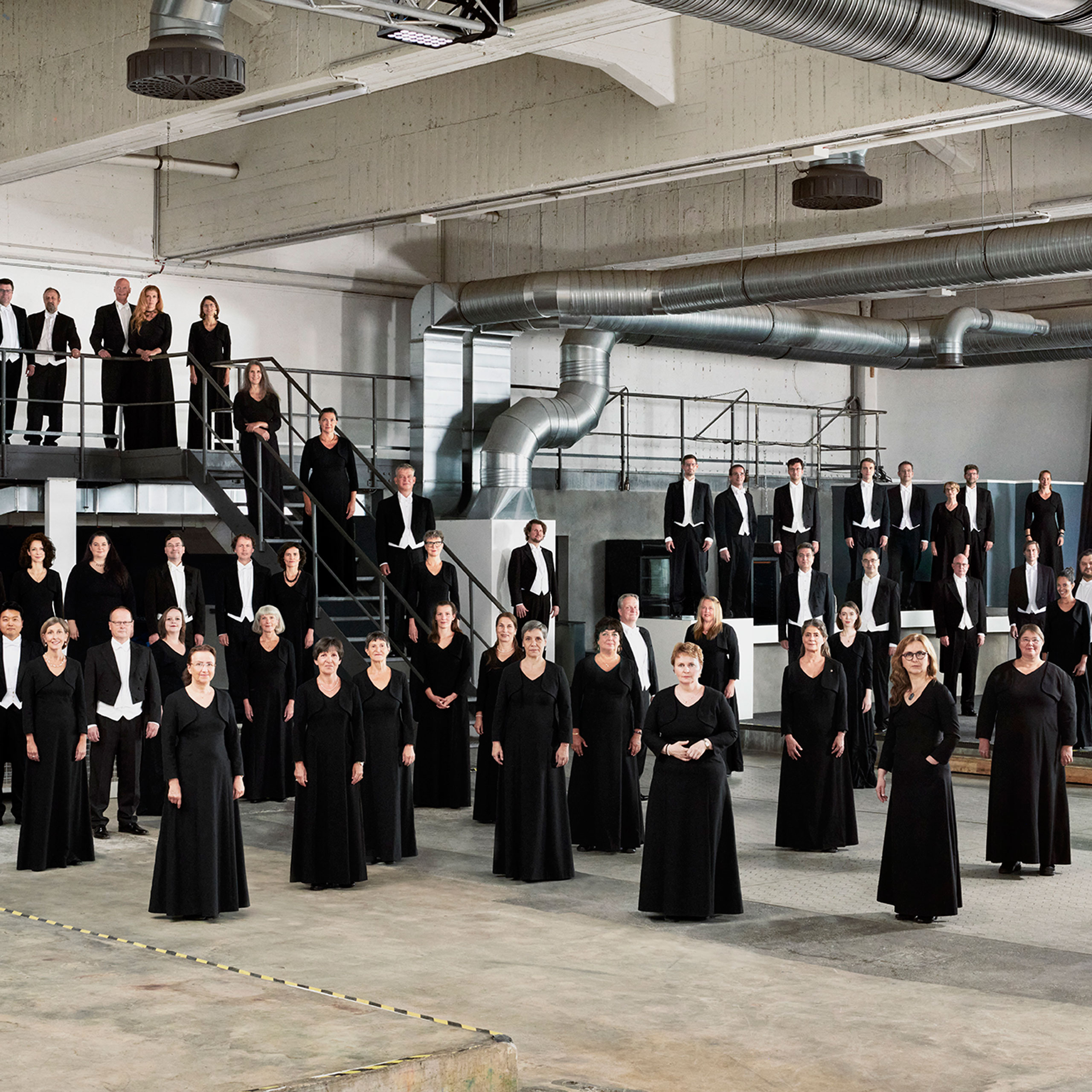
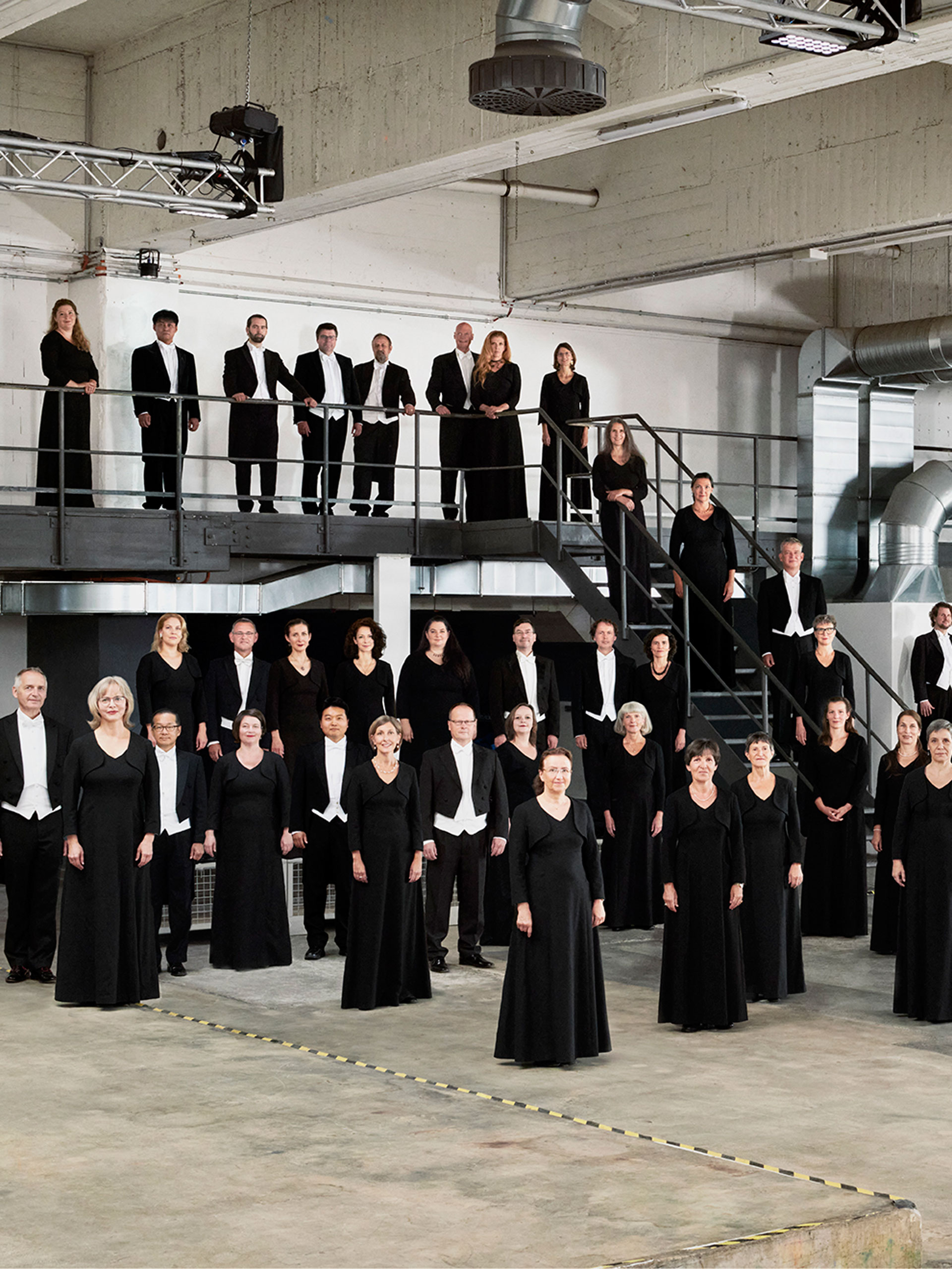
Evening cast Rundfunkchor
Soprano
Bischoff, Christina
Friedrich, Eva
Heil, Cornelia
Hense, Catherine
Ju, Hyewon
Nowakowski, Gesine
Peetz-Glintenkamp, Heike
Reim, Bianca
Rettinghaus, Karen
Schwab, Sylke
Schwarze, Uta
Voßkühler, Isabelle
Willert, Gabriele
Strieder, Antonia
Otten, Nienke
Schnur, Natasha Katherine
Song, Yujin
Blanz, Rebecca Theresa
Dziadko, Kamila
Koch, Lea Maria
Linden, Sophia
Neves de Sá, Ema
Papadopoulou, Sarah
Sarkissian, Anais
Weise-Böning, Silke-Maria
Alto
Choi, Jiwon
Eyer, Sabine
Fischer, Katrin
Hummel, Annerose
Lichtenberg, Christine
Murphy, Laura
Nitzsche, Leandra
Sotin, Tatjana
Stützer, Elisabeth
Wolff, Natsumi
Tietze, Anna-Maria
Baier, Amelie
Heiligtag, Katharina Monika Christine
Zschunke, Anne-Kristin
Ducomble, Chiara
Greiner, Margarita
Symann, Ines
Zeuner, Ewa
Tenor
Bumiller, Raoul
Drake, Georg
Ewald, Peter
Finger, Jonas
Franke, Robert
Kim, Sinje
Klügling, Johannes
Kober, Thomas
Leonhardt, Christoph
Löns, Ulrich
Ryu, Seongsoo
Shin, Joohoon
Janssen, Felix
Ahn, Youngjun
Choi, Shinho
Gronemeyer, Mathis
Horenburg, Jens
Stewart, Dominic
Kurokawa, Tomonobu
Basso
Gawlik, Oliver
Glintenkamp, Sascha
Hülsmann, Christoph
Kim, Young Wook
Koch, Mathis
Meichsner, Bruno
Nesterenko, Artem
Pfützner, Thomas
Scheidig, Axel
Schnös, Rainer
Teßmer, Wolfram
Voßkühler, René
Witt, Georg
Kwon, Leeseok
Nennemann, Gerhard
Lee, Sanghun
Martins dos Reis, Israel
Müller-Kopp, Tobias
Choi, Yisae
Rathgeber, Felix
Schubach, Martin
collaborative partner


Fotocredits
Portrait Vasily Petrenko © Mark McNulty
Bilder Silvester im Konzerthaus © Peter Meisel
Portrait Vera-Lotta Boecker© Monarca Studios
Portrait Benjamin Bruns © Sara Schöngen
Portrait Sergej Newski © Harald Hoffmann
